This isn't just another tech announcement. You're witnessing the convergence of artificial intelligence, intellectual property rights, and creative storytelling in a way that's never been done before. The marketplace addresses a critical gap in the synthetic voice generation industry : how to ethically and legally use celebrity voices without crossing into murky legal territory.
The Impact of AI on Audio Content Creation
AI has already transformed how we create and consume audio content. From podcast production to audiobook narration, synthetic voice technology has proven its value. The advertising industry, always hungry for innovative ways to capture attention, now has access to something truly remarkable the ability to feature iconic voices in campaigns through proper licensing channels.
Building an Ethical Ecosystem
ElevenLabs isn't simply offering voice cloning technology. The company has built an entire ecosystem that connects brands with rights holders, ensuring every voice reproduction happens with explicit permission, transparent agreements, and fair compensation. This consent-based approach sets a new standard for how the creative industry should handle AI-generated likenesses.
A Game-Changer for Advertisers and Creators
The implications for advertisers, content creators, and voice talent are profound. You now have a legitimate pathway to incorporate recognizable voices into your projects without legal risk or ethical concerns.
The Iconic Voice Marketplace by ElevenLabs
The Iconic Voice Marketplace is an online platform where brands can easily find and use AI-generated voices of famous personalities for their creative projects. Unlike traditional methods that often involve expensive negotiations and complex legalities, ElevenLabs has created a system that makes it simple and affordable for businesses to access these voices.
How It Works
ElevenLabs acts as a bridge between brands and the owners of voice rights. Here's how the process works :
- Finding the Right Voice : When a brand discovers a voice they want to use, they can directly communicate with ElevenLabs.
- Agreement Formalization : ElevenLabs takes care of finalizing the agreement between the brand and the voice owner.
- AI Voice Model Generation : Once the agreement is in place, ElevenLabs creates an AI model that replicates the chosen voice.
- Usage Monitoring : To ensure compliance with the agreed terms, ElevenLabs actively monitors how the voice is being used.
This approach allows brands to access popular voices without getting involved in complicated negotiations or risking unauthorized usage.
The Importance of Verification
One of the key strengths of the Iconic Voice Marketplace is its strict verification process. ElevenLabs only includes voices on its platform where explicit permission has been obtained. Here's what this verification entails :
- Legal Authority : Ensuring that the person or entity licensing the voice rights has the legal authority to do so.
- Authenticity Confirmation : For historical figures, verifying that any archival materials used are authentic.
- Documentation Review : Examining consent and compensation agreements to ensure clarity and fairness.
- Quality Control : Maintaining high standards for how accurately voices are reproduced.
This additional layer of verification protects brands from potential legal issues while also ensuring that voice talents and estates receive proper recognition and payment. Unlike other marketplaces, which may accept submissions without scrutiny, every addition to Iconic Voice undergoes careful evaluation to uphold its integrity and reliability.
 Zakia
Zakia
Ethical Considerations in Synthetic Voice Generation
The rapid advancement of AI voice technology has sparked legitimate concerns about unauthorized voice replication and misuse. You've probably heard stories about deepfakes and voice cloning scams that exploit people's identities without permission. These concerns sit at the heart of why ethical AI voice use matters.
Consent-Based Approach
ElevenLabs addresses these issues head-on through its consent-based approach. The company doesn't create voice models without explicit authorization from the rights holders. This means every voice on the marketplace exists because someone, whether the celebrity themselves or their estate, signed off on it.
Performer-First Approach
The performer-first approach puts control back in the hands of talent and their representatives. You won't find any voices on this platform that were scraped from public recordings or created without legal agreements. Rights holders maintain authority over how their voices get used, what types of projects they appear in, and the terms of each licensing deal.
Transparency and Fair Compensation
Transparency runs through every layer of the marketplace. When brands license a voice, they're entering into clear, documented agreements that specify usage rights and limitations. The fair compensation for voices model ensures that talent and estates receive payment for every licensed use of their AI-replicated voice.
This framework creates accountability. You can trace each voice back to a verified source, with proper legal documentation protecting both the rights holders and the brands using these voices.
Technology Behind AI-Replicated Voices
ElevenLabs employs two distinct technological approaches to bring celebrity voices to its marketplace.
1. Voice Cloning Technology
Voice cloning technology captures the unique characteristics of living celebrities through direct recordings, analyzing vocal patterns, intonation, and speech rhythms to create high-fidelity digital replicas. This method requires active participation from the talent, who provides voice samples that train the AI model.
2. Archival Recordings Reconstruction
The second approach tackles a more complex challenge : reconstructing voices from archival recordings reconstruction. Historical figures like Judy Garland, Mark Twain, and Thomas Edison never had the opportunity to record their voices in controlled studio environments. ElevenLabs' synthetic voice generation technology extracts vocal data from existing recordings : speeches, radio broadcasts, film audio regardless of audio quality or background noise.
The key differences between these methods lie in their source material and complexity :
- Cloning : Uses clean, contemporary recordings with direct talent involvement
- Reconstruction : Relies on historical audio that may be degraded or incomplete
- Data requirements : Living voices need fewer samples; historical voices require extensive archival analysis
The quality of AI-generated voices from both methods reaches broadcast standards. You can hear natural inflections, emotional range, and the distinctive characteristics that make each voice recognizable. The technology preserves authenticity while allowing for new content creation; whether you're licensing Michael Caine's contemporary voice or J. Robert Oppenheimer's reconstructed historical tone.
 Zakia
Zakia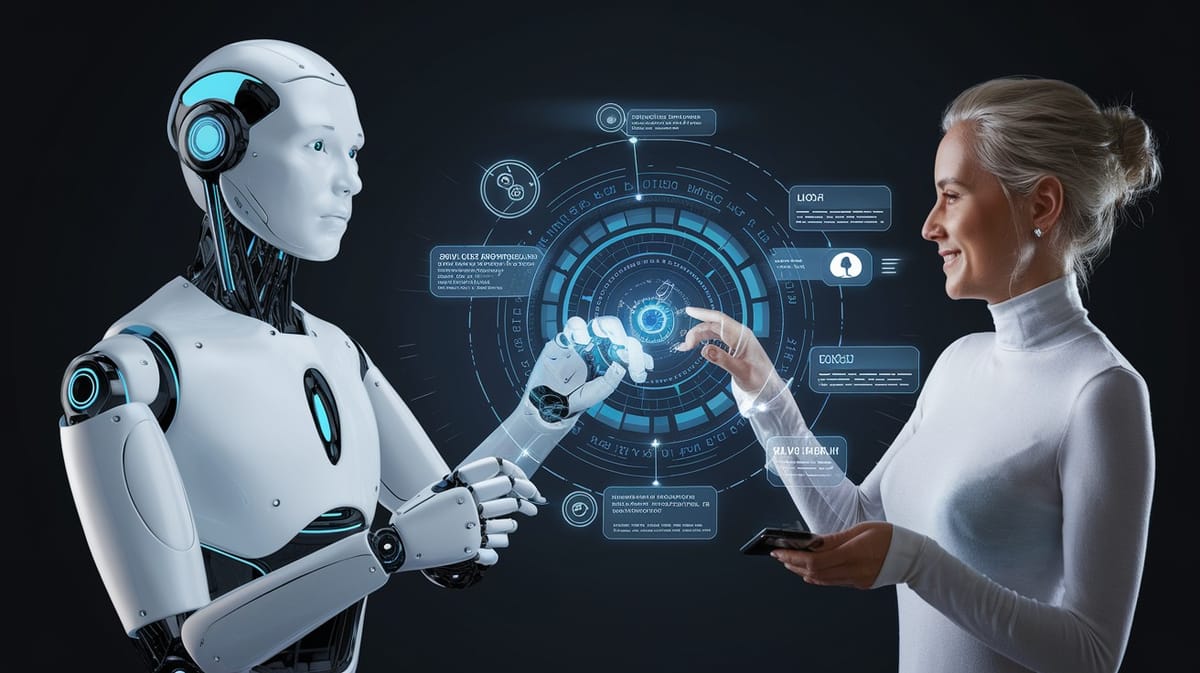
Notable Voices Available on the Marketplace
The Iconic Voice Marketplace launched with 28 carefully selected voices representing a diverse range of historical periods and cultural significance. The roster includes both living celebrities who actively participate in the platform and iconic deceased figures whose voices have been reconstructed from archival materials.
Contemporary Participants
Among the contemporary participants, Michael Caine stands as a prominent example of a living celebrity embracing this technology. His involvement demonstrates how established performers can extend their vocal presence into new creative territories while maintaining control over their likeness. Caine has expressed enthusiasm about the platform's potential to empower emerging storytellers.
Legendary Historical Figures
The marketplace also features voices of legendary historical figures whose contributions shaped various fields :
- Judy Garland - The beloved actress and singer whose voice defined an era of Hollywood entertainment
- Mark Twain - The iconic American author whose distinctive speaking style is preserved through historical recordings
- Maya Angelou - The celebrated poet and civil rights activist whose powerful voice continues to inspire
- Alan Turing - The pioneering mathematician and computer scientist whose reconstructed voice brings his legacy to life
- Thomas Edison - The prolific inventor whose early recordings provide the foundation for his synthetic voice
- J. Robert Oppenheimer - The theoretical physicist known as the "father of the atomic bomb"
Each voice on the platform represents a unique collaboration between ElevenLabs, rights holders, and the estates of deceased figures, ensuring that every reproduction respects the original person's legacy and artistic integrity.
Legal Licensing Agreements and Rights Management in the Marketplace
ElevenLabs positions itself as the critical intermediary between brands and rights holders, handling the complex legal framework that governs voice usage. The company formalizes legal licensing agreements with each rights holder before any voice becomes available on the marketplace, establishing clear terms for usage, compensation, and control.
This verification process creates a protective barrier for brands. When you license a voice through the Iconic Voice Marketplace, you're not navigating uncertain legal territory, you're working with pre-cleared, legally sound voice assets. The platform maintains documentation proving that rights holders licensing agreements are in place, which shields your brand from potential infringement claims or unauthorized use disputes.
The marketplace operates on a permission-based model where rights holders retain control over how their voices are used. ElevenLabs doesn't simply create AI voice models and hope for retroactive approval. Each voice on the platform exists because someone with legal authority, whether the celebrity themselves, their estate, or their designated representatives, has explicitly agreed to participate.
For brands, this verified licensing structure eliminates the risk that comes with unauthorized voice replication. You're not dealing with gray areas or hoping fair use protections will hold up in court. The marketplace provides you with legitimate access to iconic voices through properly executed agreements that respect intellectual property rights and compensate the appropriate parties.
Opportunities Created for Voice Talent and Estates Through the Marketplace
The Iconic Voice Marketplace introduces voice talent opportunities that extend far beyond traditional voice acting engagements. Living performers can now generate passive income streams from their vocal likeness while maintaining full control over how brands use their voices. This performer first approach ensures that celebrities like Michael Caine receive ongoing compensation each time their AI-replicated voice appears in advertisements, audiobooks, or digital content.
Estates of deceased icons benefit equally from this revenue model. The families and rights holders of figures like Judy Garland, Maya Angelou, and Mark Twain can now monetize their loved ones' vocal legacies in ways that preserve their artistic integrity. These arrangements provide fair compensation for voices through structured licensing fees that reflect the cultural value and recognition these personalities bring to brand campaigns.
The marketplace democratizes access to celebrity voices for independent creators and smaller production companies who previously couldn't afford traditional celebrity endorsements. A podcast producer can now legally license Thomas Edison's voice for a historical documentary, while a startup can feature Alan Turing's reconstructed voice in an educational app about computing history.
This accessibility empowers storytellers across budget levels to enhance their narratives with authentic, recognizable voices. The platform transforms how voice talent and their estates participate in the digital economy, creating sustainable income channels that respect both artistic legacy and commercial opportunity.
 Sonia
Sonia
Applications of AI-Replicated Voices in Various Industries
Advertising
Advertising with AI voices opens up creative possibilities that were previously cost-prohibitive or logistically impossible. Brands can now feature legendary voices in their campaigns without the scheduling complexities and budget constraints of booking living celebrities. A luxury watch brand could use a historical figure's voice to narrate their heritage story, while a tech company might leverage a contemporary celebrity's voice for product announcements across multiple markets simultaneously.
Storytelling
The technology to amplify storytelling with licensed voices extends beyond traditional advertising into documentary filmmaking, audiobook production, and educational content. Podcast creators can incorporate iconic voices to bring historical narratives to life, while video producers can add authentic voiceovers that match their content's tone and message. Museums and cultural institutions can use these voices to create immersive exhibits where historical figures "speak" directly to visitors.
Content Creation
AI replicated voices in content creation deliver measurable benefits for audience engagement. When you use a recognizable voice that resonates with your target demographic, you create an immediate emotional connection. The familiarity of an iconic voice cuts through the noise of digital content, capturing attention in ways that generic voiceovers cannot. Brands report higher recall rates and stronger emotional responses when using distinctive, licensed celebrity voices in their messaging. The marketplace makes these applications accessible while maintaining the ethical standards and legal protections that both creators and rights holders require.
Setting Industry Standards for Ethical Use of AI Voices Through The Iconic Voice Marketplace by ElevenLabs
The Iconic Voice Marketplace represents a precedent for creative industry practices that other companies will likely follow. ElevenLabs has positioned itself as a leader in ethical AI voice use by creating a framework that prioritizes consent, transparency, and proper compensation before any voice replication occurs.
Prioritizing Consent and Empowering Performers
The platform's verification system ensures that every voice available for licensing has gone through rigorous legal and ethical review. You can't simply upload a celebrity's voice and start selling it, ElevenLabs acts as the gatekeeper, working directly with rights holders to establish clear boundaries for how their voices can be used. This consent-based approach shifts the power dynamic back to the performers and their estates.
Influencing the Industry and Setting an Example
The marketplace's impact extends beyond ElevenLabs' own platform. By demonstrating that synthetic voice technology can coexist with ethical practices, the company is influencing how the entire industry approaches AI-generated content. Other audio AI companies now face pressure to adopt similar standards, and brands have a clear example of how to license celebrity voices without legal or ethical complications.
Establishing Principles for Future AI-Generated Likenesses
The structured approach to rights management also provides a blueprint for handling other forms of AI-generated likenesses, from visual deepfakes to synthetic performances. As synthetic media technologies become more sophisticated, the principles established by ElevenLabs ( explicit permission, fair compensation, and transparent usage terms ) will likely become the baseline expectation across creative industries.
Conclusion
The ElevenLabs AI marketplace launch is an important moment for the advertising and creative industries. It introduces a platform that combines technological innovation with ethical responsibility, showing how synthetic media can work alongside traditional talent rights.
The implications for celebrity voice licensing future go beyond just saving costs. You now have access to voices that may have been unavailable before due to scheduling conflicts, budget limitations, or historical reasons. Brands can create campaigns featuring iconic voices that resonate with multiple generations, while content creators can explore storytelling possibilities that were previously impossible.
ElevenLabs Launches AI Marketplace for Licensing Celebrity Voices in Ads conveys a clear message : synthetic voice technology doesn't have to operate in legal gray areas. You now have a legitimate and transparent way to include recognizable voices in your projects while respecting the rights and compensation of performers and estates.
The marketplace encourages you to explore these opportunities responsibly. Whether you're working on an advertising campaign, producing educational content, or creating entertainment media, you can now access authenticated celebrity voices through proper licensing channels.
You should think about how these ethical synthetic voice options could enhance your next creative project. The technology is available, the legal framework is in place, and the voices are ready. The question isn't whether AI-generated celebrity voices will shape the future of content creation, it's how you'll use them to tell your story.
FAQs (Frequently Asked Questions)
What is ElevenLabs' Iconic Voice Marketplace and how does it work ?
The Iconic Voice Marketplace by ElevenLabs is an online platform that allows brands and creatives to license AI-replicated celebrity voices for advertising, storytelling, and content creation. It connects brands with verified rights holders of both living celebrities and historical figures, ensuring legal and ethical usage of iconic voices through a curated talent roster and formal licensing agreements.
How does ElevenLabs ensure ethical use of synthetic celebrity voices in its marketplace ?
ElevenLabs adopts a consent-based and performer-first approach to synthetic voice generation. The company prioritizes transparency, fair compensation for voice talents and estates, and strict adherence to ethical standards. This commitment addresses concerns around AI voice use by securing permissions from rights holders and establishing clear guidelines for responsible usage.
What technology does ElevenLabs use to create AI-replicated celebrity voices ?
ElevenLabs employs advanced voice cloning technology that can replicate the voices of living celebrities as well as reconstruct historical figures' voices using archival recordings. Their approach differentiates between cloning existing voices with consent and synthetic reconstruction from historical audio, ensuring high-quality, authentic-sounding AI-generated voices suitable for professional applications.
Which notable celebrity voices are available on the Iconic Voice Marketplace ?
The marketplace features 28 historical and contemporary figures including living celebrities like Michael Caine who actively participate, as well as iconic deceased personalities such as Judy Garland, Mark Twain, Maya Angelou, Alan Turing, Thomas Edison, and J. Robert Oppenheimer. These voices are carefully curated and verified for licensing through the platform.
What legal protections are in place for brands licensing celebrity voices via ElevenLabs ?
ElevenLabs formalizes legal licensing agreements with rights holders to ensure brands have proper usage rights when utilizing AI-generated celebrity voices. This verified licensing framework protects brands from infringement risks while allowing them to safely incorporate recognizable voices into their advertising and content projects.
What opportunities does the Iconic Voice Marketplace create for voice talents and estates ?
The marketplace opens new revenue streams and exposure opportunities for living performers and estates of historical figures by enabling fair compensation through licensed use of their voices. It empowers storytellers with access to iconic voices while maintaining a performer-first model that respects the rights and contributions of voice talents in the evolving AI audio landscape.